Injuries can range from minor bumps and bruises to severe trauma that requires immediate medical attention. As a result, understanding the different types of damage is essential for providing proper care and preventing more severe complications. Sometimes, injuries occur due to unsafe conditions on someone else’s property, such as wet floors, uneven surfaces, or poor lighting. In these cases, it may be worth consulting a premises liability lawyer in Indianapolis (or another local area) to understand your legal options, especially if negligence played a role in the accident. In this blog post, we look at the most common types of injuries, their causes and treatments, and how to avoid them in the first place.
Common Types of Injuries
There are four common types of injuries: lacerations, contusions, burns, and fractures:
- Lacerations are cuts or tears in the skin. They can be caused by sharp objects, like knives or glass, or by blunt force trauma, like being hit with a fist or a baseball bat. Lacerations can be minor and superficial or large and deep. They can be very painful and may require stitches to close the wound.
- Contusions are bruises. They occur when blood vessels are damaged or broken, causing blood to leak into the surrounding tissue. They can be caused by a direct blow to the skin, like being punched, or indirect trauma, like falling on a hard surface. Contusions can range from mild to severe and usually involve swelling, pain, and skin discoloration.
- Burns are damage to the skin caused by heat, cold, electricity, chemicals, or radiation. Burns can be superficial (affecting only the top layer of skin) or deep (affecting all layers of skin and underlying tissues). Burns can be very painful and may cause permanent scarring.
- Fractures are breaks in bones. They can be caused by direct trauma (like being hit with a baseball bat) or indirect trauma (like falling from a great height). Fractures can be open (the bone protrudes through the skin) or closed (the bone is broken but does not protrude through the skin).
Causes of Different Injuries
Other things can cause different injuries. For example, a bruise is usually caused by a direct blow to the skin. In contrast, a sudden twisting or stretching of the ligaments causes a sprain.
To understand the different types of injuries, it is first essential to understand your body’s anatomy and how it works. The skeletal system provides support and protection for the body, while the muscular system allows you to move. The nervous system sends signals from the brain to the rest of the body, and the circulatory system carries oxygen and nutrients to your cells. When one of these systems is not working correctly, it can lead to an injury. For example, if you fall and hit the head, you may suffer from a concussion or brain injury. Or if you twist your ankles, you may suffer from a sprain and damage to the ligaments.
Most of the time, such injuries occur as a result of different accidents. For instance, car accidents can cause Traumatic Brain Injuries and other serious health issues. However, such accidents do not always happen as a result of one’s own fault. It can occur due to some other person’s negligence as well. In such cases, there are provisions to make personal injury claims. This is where TBI lawyers fight for you to get you compensated for your injuries. The severity of a Traumatic Brain Injury can range from mild to complex, but regardless of the level, getting justice might take some weight off your shoulders.
Many different types of injuries can occur, but they all fall into one of two categories: acute or chronic. Acute injuries are sudden and typically happen due to trauma or impact. In contrast, chronic injuries develop over time and are often due to repetitive motions or poor posture. Regardless of how they occur, all injuries have the potential to cause pain, swelling, bruising, and loss of range of motion. You must see a doctor immediately if you suspect you have suffered an injury.
Treatments for Injuries
There are many different types of injuries, each requiring different treatment. Here is a rundown of some common injuries and their treatments:
Sprains and strains
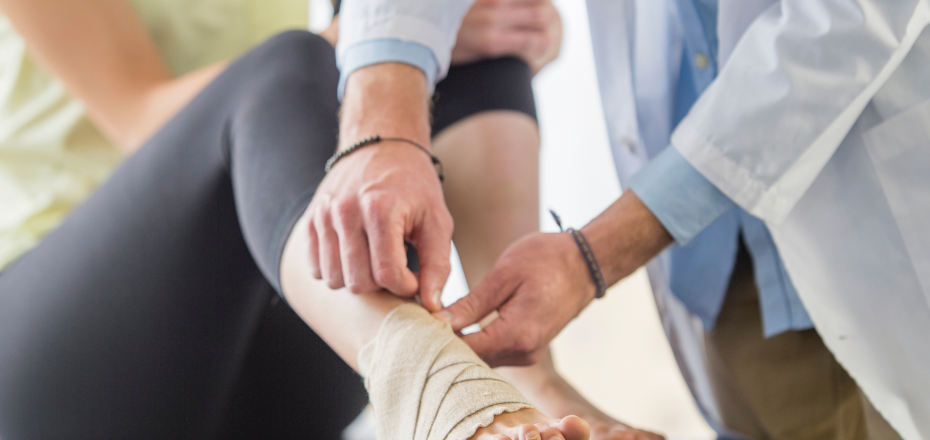
Treatment for many soft tissue injuries, such as sprains or strains, typically involves the RICE method-Rest, Ice, Compression, and Elevation. Resting the injured area is essential to avoid further strain and give the body time to heal. Applying ice helps reduce swelling and numb pain, with ice packs being used for 20-30 minutes at a time, especially within the first 48 hours of injury. Compression, through an elastic bandage or wrap, can help minimize swelling and provide additional support, though care must be taken not to wrap it too tightly. Elevating the injured area above heart level reduces blood flow, which helps decrease swelling and inflammation. Together, these simple but effective methods promote healing, reduce discomfort, and prevent further injury, playing a crucial role in recovery.
Fractures
Treatment for a fracture varies based on the type and severity of the injury. For minor fractures, the primary approach often involves immobilization using a cast, splint, or brace to keep the bone in place while it heals. This method is typically used for fractures that are stable and do not require realignment. However, for more severe or complex fractures, surgery may be necessary to properly align and stabilize the bones. Surgical options can include the use of screws, plates, or rods to hold the bones together while they heal. In some cases, both immobilization and surgery are required, especially if the fracture is displaced or involves multiple bones. Accurate diagnosis through methods like X-ray imaging in Rockaway, NJ, or elsewhere, can be important to determine the right treatment plan. This can help in providing detailed images of the fracture, and help medical professionals assess the extent of the injury. After the bone has healed, physical therapy may be needed to restore movement, strength, and function to the affected area, ensuring a full recovery and minimizing the risk of future complications.
Dislocations
Treatment for a joint dislocation typically begins with reducing or “putting the joint back into place,” which is done by a healthcare professional. This process involves carefully manipulating the displaced bone back into its correct position within the joint socket. It’s important that this is done under controlled, sterile conditions to avoid further injury or infection. After the joint is properly aligned, the next step is to immobilize it to ensure stability during the healing process. This can involve the use of a splint, sling, or cast, depending on the severity and location of the dislocation. Pain management is also an important aspect of treatment, as dislocations can be extremely painful. In some cases, physical therapy may be recommended after the joint has healed to help restore range of motion, strengthen the muscles around the joint, and prevent future dislocations.
Concussions
Concussions can range from mild to severe, and their impact on the brain can vary significantly. Treatment typically involves rest, close monitoring for neurological changes, and avoiding activities that could exacerbate symptoms. It’s essential to pay attention to signs such as headaches, dizziness, memory problems, or difficulty concentrating, which may indicate the need for further medical attention. In some cases, individuals may benefit from the intervention of functional medicine, which takes a holistic approach to recovery. Functional medicine focuses on personalized care, addressing the root causes of symptoms, including brain inflammation, nutrient deficiencies, and stress. This may involve targeted nutritional support, supplements to enhance brain function, and lifestyle modifications to promote healing and optimize overall well-being. By looking for “functional medicine doctor near me” on the Web, interested parties can learn more about this.
Preventing Injuries
There are many ways to prevent injuries. Some of the most important things we can do are warm up before physical activity, stretch after physical activity, and wear proper safety gear when participating in activities with a risk of injury.
Warming up before physical activity helps prepare our body for the demands of exercise and can help reduce the risk of injury. A good warm-up should include 5-10 minutes of light aerobic activity followed by dynamic stretching.
Stretching after physical activity is also essential. It helps to lengthen muscles that may have been shortened during exercise and can help reduce your risk of future injuries. Be sure to stretch slowly and gently, holding each stretch for 20-30 seconds.
Finally, wearing proper safety gear is crucial when participating in activities with a risk of injury. This includes items such as helmets, protective pads, and mouthguards. Wearing the appropriate safety gear can help reduce your risk of sustaining a severe injury.
Knowing Is Key to Better Injury Management
Understanding the different types of injuries can help us make more informed decisions regarding preventing and treating them. Knowing which type of injury you are dealing with will allow you to provide better care and treatment options, including lifestyle changes that can mitigate potential long-term damage. It is important to remember that the earlier an injury is treated, the better chances of recovery. So if you have been injured or notice any signs or symptoms suggesting an injury, seek medical attention as soon as possible.