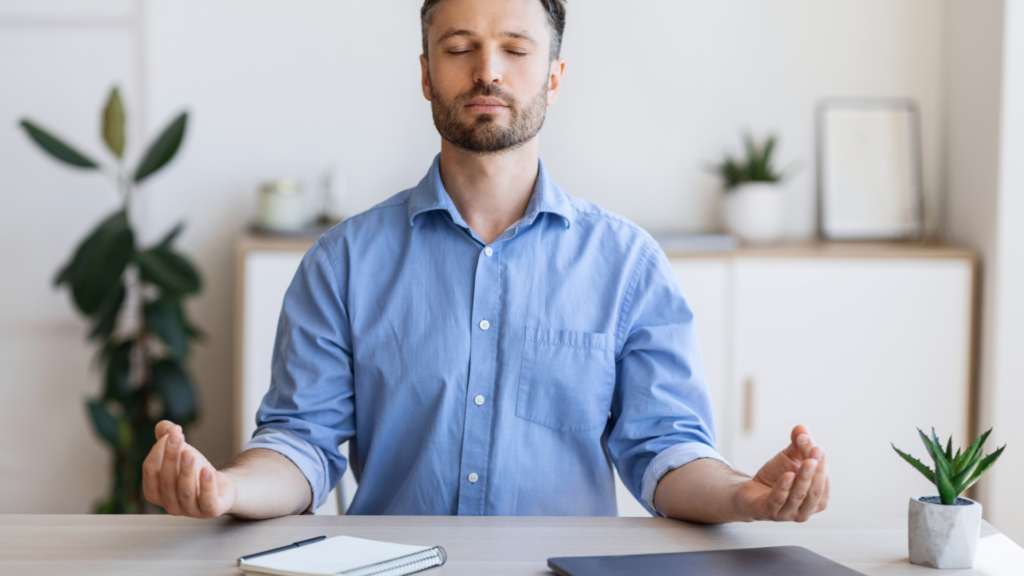

Stress is an unavoidable part of life, but how you respond to it makes a significant difference in your well-being. Building healthy stress coping skills means developing practical strategies that reduce negative effects and enhance resilience. These skills can be learned and refined over time, improving your ability to manage daily pressures effectively.
Understanding stress triggers and adopting consistent habits such as mindfulness, exercise, and time management are foundational to coping better. The goal is to replace harmful reactions with constructive responses that maintain both mental and physical health.
Understanding Stress and Its Impact
Stress affects the body and mind in multiple ways. Different forms of stress influence how individuals react, and specific triggers can worsen or alleviate it. The effects become more serious when stress persists over time.
Types of Stress
Stress can be classified mainly into acute, episodic, and chronic. Acute stress is short-term, often triggered by immediate challenges like a work deadline or a minor accident. It typically resolves quickly when the situation improves.
Episodic acute stress happens when someone frequently faces stressful events, leading to a constant state of tension. This is common in people with high-pressure jobs or personal issues.
Chronic stress persists over long durations, such as ongoing financial difficulties or a difficult relationship. It is the most damaging form, as it keeps the stress response activated, wearing down physical and mental health gradually.
Effects of Chronic Stress
Chronic stress disrupts numerous bodily systems. It elevates cortisol levels, which can impair immune function, increase blood pressure, and promote weight gain. Mentally, it raises risks for anxiety, depression, and cognitive decline.
Physiological consequences include headaches, digestive problems, and sleep disturbances. Chronic exposure also contributes to heart disease and diabetes through sustained inflammation.
Behavioral effects can be seen in changes like irritability, social withdrawal, and reduced productivity. Recognizing these signs helps in managing stress before it causes serious health issues.
Recognizing Stress Triggers
Identifying what causes stress is crucial. Common triggers include work demands, interpersonal conflicts, financial struggles, and health concerns.
Environmental factors such as noise, overcrowding, or constant screen time can also heighten stress reactions. Emotional stressors like grief or uncertainty provoke a strong response as well.
Keeping a stress journal or tracking moods can reveal patterns. This helps focus coping strategies on specific triggers rather than vague feelings of distress.
| Common Stress Triggers | Examples |
| Work | Deadlines, job insecurity |
| Relationships | Arguments, loneliness |
| Financial | Debt, unstable income |
| Health | Chronic illness, injury |
| Environment | Noise, clutter, commute |
Understanding these triggers allows for targeted management to reduce the overall stress burden.
Building a Strong Foundation of Healthy Coping Skills
Stress management begins with understanding yourself and your reactions. Developing realistic goals helps maintain balance without unnecessary pressure. Recognizing your patterns and limits is essential for lasting resilience.
Establishing Self-Awareness
Self-awareness means paying close attention to your thoughts, emotions, and physical sensations when stress arises. Regular reflection, such as journaling or mindfulness practices, can sharpen this awareness.
Being aware lets you catch early signs of stress before they escalate. It also helps in distinguishing between useful stress and harmful stress, allowing better management choices.
Tracking your mood and reactions daily builds a clearer picture of your triggers. This practice supports informed adjustments to coping strategies, making them more effective over time.
Identifying Personal Stress Responses
Everyone reacts to stress differently, with varied emotional, physical, and behavioral responses. Common signs include irritability, headaches, muscle tension, or avoidance behaviors.
Recognizing your unique stress indicators helps in choosing targeted coping skills. For example, if muscle tightness is common, physical relaxation techniques like stretching may work best.
Keep a simple log of your stress reactions for a few weeks. Note what happens before, during, and after stressful moments. Use this data to spot patterns and develop tailored responses.
Setting Realistic Expectations
Setting achievable goals reduces unnecessary self-pressure that can worsen stress. Break large tasks into smaller, manageable steps to maintain steady progress.
Understand your limits and avoid overcommitting. Saying “no” when needed is a crucial skill for preserving mental and physical resources.
Use tools like priority lists and time management techniques to stay organized. Regularly reassess your goals to adjust expectations according to current circumstances.
Practical Daily Habits for Stress Management
Effective stress management relies on consistent routines that support both the body and mind. Focus on how you rest, eat, and move to create a foundation for reducing stress.
Maintaining a Consistent Sleep Schedule
Sleep directly affects your ability to handle stress. Aim to go to bed and wake up at the same time every day, even on weekends. This consistency helps regulate your body’s internal clock.
Limit exposure to screens and bright lights at least an hour before bedtime to improve sleep quality. Create a calm environment by keeping your sleeping area cool, dark, and quiet. Avoid caffeine and heavy meals close to bedtime, as they can interfere with falling asleep.
Track your sleep patterns to identify disruptions and adjust your habits accordingly. Prioritizing 7-9 hours of restful sleep supports emotional resilience and cognitive function under pressure.
Balanced Nutrition and Hydration
What you eat influences your mood and energy levels. Maintain a diet rich in whole grains, lean proteins, fruits, and vegetables to provide steady fuel to your body.
Limit intake of processed foods, excessive sugar, and high-fat snacks, which can increase feelings of anxiety and fatigue. Hydration is equally important; aim to drink at least 8 glasses of water daily to support brain function and regulate hormones related to stress.
Consider small, frequent meals rather than large, heavy ones. This prevents blood sugar spikes and crashes that can worsen stress symptoms. Supplements like magnesium and omega-3 fatty acids may also support stress reduction, but consult a healthcare provider first.
Physical Activity and Exercise
Regular exercise reduces stress hormones like cortisol and releases endorphins that promote well-being. Aim for at least 30 minutes of moderate-intensity exercise most days of the week.
Activities such as walking, yoga, swimming, or cycling can improve mood and help clear your mind. Incorporate strength training twice a week to support overall health.
Find enjoyable activities to stay motivated and prevent burnout. Even short bursts of movement throughout the day, like stretching or brief walks, can make a difference in managing stress levels.
Effective Cognitive Coping Strategies
Mastering stress involves actively changing how situations are perceived, using language that supports well-being, and approaching challenges with practical solutions. These cognitive methods enhance control over emotional responses and improve decision-making under pressure.
Cognitive Restructuring
Cognitive restructuring involves identifying and challenging negative thought patterns that worsen stress. This technique helps recognize irrational beliefs or cognitive distortions like catastrophizing or black-and-white thinking.
Begin by writing down stressful thoughts and evaluating evidence for and against them. Replace exaggerated or false assumptions with more balanced and realistic perspectives. For example, instead of thinking “I always fail,” reframe it as “I sometimes make mistakes, but I also learn from them.”
Consistent practice reduces automatic negative thinking, leading to improved emotional regulation and lower stress levels in daily life.
Positive Self-Talk
Positive self-talk replaces critical or pessimistic internal dialogue with encouraging and supportive statements. This practice reinforces confidence and resilience during stressful situations.
Use affirmations such as “I am capable of handling this,” or “I can take one step at a time.” Avoid vague platitudes; focus on specific, believable phrases aligned with your abilities and goals.
Develop the habit by pausing when negative thoughts arise and consciously shifting to constructive messages. Positive self-talk changes the brain’s response to stress, promoting calmness and motivation.
Problem-Solving Skills
Problem-solving skills focus on breaking down stressors into manageable parts and developing concrete action plans. This strategy prevents feeling overwhelmed and helps maintain control over difficult circumstances.
Key steps include:
- Identifying the exact problem
- Generating possible solutions
- Evaluating pros and cons
- Implementing the best option
- Reviewing outcomes and adjusting if needed
Using a structured approach like this increases clarity and reduces anxiety by shifting the focus from worry to action. These skills are practical tools to actively reduce stress triggers.
Emotional Coping Techniques
Managing emotions effectively often involves practices that improve awareness, reduce tension, and clarify feelings. Techniques that focus on the mind and body can provide immediate relief and long-term resilience.
Mindfulness and Meditation
Mindfulness encourages paying full attention to the present moment without judgment. This practice reduces emotional reactivity by creating space between a stressful trigger and your response.
Meditation often involves focusing on the breath, sounds, or bodily sensations. Even brief daily sessions, such as 5-10 minutes, can lower cortisol levels and reduce anxiety.
Regular mindfulness practice strengthens emotional regulation. It helps identify negative thought patterns, allowing you to respond thoughtfully rather than react impulsively.
Deep Breathing Exercises
Deep breathing activates the parasympathetic nervous system, which calms the body’s stress response. Simple techniques like diaphragmatic breathing encourage slow, controlled breaths that lower heart rate and blood pressure.
A basic method is the 4-7-8 technique: inhale for 4 seconds, hold for 7, exhale for 8. Repeating this cycle several times can quickly ease tension.
Incorporating deep breathing into daily routines can build emotional resilience. It serves as a practical tool during moments of acute stress or anxiety.
Journaling for Emotional Clarity
Writing about your thoughts and feelings provides a structured way to process emotions. Journaling helps identify patterns, triggers, and underlying causes of stress.
Regular entries promote self-reflection and can uncover solutions or perspectives that were not initially obvious. It is effective to set aside 10-15 minutes daily for this practice.
Journaling allows for private expression without fear of judgment. Over time, it enhances emotional intelligence and supports healthier coping strategies.
Social Support and Connection
Strong social ties provide practical help as well as emotional relief during stressful times. Effective support is based on trustworthy relationships and clear, respectful communication.
Building a Support Network
Creating a reliable support network starts with identifying people who are consistent and understanding. This may include family members, close friends, colleagues, or community groups. Engage regularly to strengthen these relationships through shared activities or conversations.
Diversity in your network is helpful. Different perspectives and resources can address various kinds of stressors. Prioritize connections that feel balanced—where giving and receiving support is mutual.
Tips to build your network:
- Join local clubs or interest groups
- Attend community events
- Volunteer for causes you care about
- Reconnect with old acquaintances
Healthy Communication Skills
Clear communication improves the quality of social support by allowing you to express your needs and understand others’ feelings. Practice active listening: focus fully, avoid interrupting, and confirm understanding by paraphrasing.
Use “I” statements to express how you feel without blaming, such as “I feel overwhelmed when…” rather than “You make me stressed.” This approach reduces defensiveness.
Setting boundaries is also important. Politely declining involvement in certain discussions helps maintain your emotional balance. Consistent and respectful communication builds trust, making it easier to cope with stress through social connections.
Lifestyle Adjustments for Long-Term Stress Reduction
Effective stress management often requires changes to daily habits and routines. Prioritizing tasks, balancing work and personal life, and intentionally setting aside time for relaxation are essential steps to maintain lower stress levels consistently.
Time Management Strategies
Organize your day by creating a clear schedule that outlines tasks and deadlines. Use tools like calendars, task apps, or planners to keep track of priorities and avoid last-minute rushes. Break larger tasks into smaller, manageable chunks to reduce feelings of overwhelm.
Limit distractions by setting specific times to check emails and social media, increasing productivity. Allocate buffer time between activities to accommodate unexpected delays or rest. This structured approach prevents burnout and fosters a sense of control over your workload.
Balancing Responsibilities
Identify key responsibilities across work, home, and personal life. Set realistic goals for each area while recognizing limitations in time and energy. Communicate boundaries clearly with coworkers, family, or friends when commitments become excessive.
Delegate tasks when possible to avoid overloading yourself. Practicing saying no to additional demands helps maintain balance. Tracking how time is spent can reveal areas to adjust, ensuring no single responsibility consistently drains resources.
Incorporating Relaxation into Routine
Schedule regular breaks focused on relaxation, such as brief walks, deep breathing exercises, or short mindfulness sessions. Consistency is important; integrate these activities daily to prevent stress accumulation.
Engage in hobbies or physical activity that you find calming, like reading, gardening, or yoga. Prioritize sleep by establishing consistent bedtimes and limiting screen exposure before bed. These practices rebuild energy and enhance your overall resilience to stress.
Avoiding Unhealthy Coping Mechanisms
Unhealthy coping mechanisms often provide short-term relief but cause long-term problems. Identifying these patterns early and actively substituting them with healthier options is critical for sustainable stress management.
Recognizing Negative Patterns
Common unhealthy coping mechanisms include excessive alcohol use, drug abuse, overeating, and avoidance behaviors like procrastination. These actions often mask the root cause of stress rather than resolve it.
Signs to watch for include increased isolation, reliance on substances for relaxation, and neglecting responsibilities. Emotional symptoms like irritability, mood swings, or persistent anxiety can also signal harmful coping.
Tracking these patterns through journaling or self-monitoring helps bring awareness. Recognizing triggers such as work pressure or personal conflicts is essential to prevent falling back into these behaviors.
Replacing Harmful Behaviors
Replacing unhealthy coping with constructive habits requires intentional effort. Start by selecting alternatives that address specific stress triggers directly, such as mindfulness or physical activity.
Examples of healthy substitutes include:
- Deep breathing exercises instead of smoking or drinking.
- Short walks or stretching breaks to reduce tension.
- Talking to a trusted friend rather than withdrawing.
Consistency is key. Create a plan that includes specific actions, like setting reminders for breaks or scheduling regular social interactions. Over time, these small changes can build resilience and reinforce positive stress responses.
Seeking Professional Help When Needed
Recognizing when stress becomes unmanageable is crucial. Knowing what types of professional support are available can guide you to the right assistance efficiently.
When to Consult a Mental Health Professional
Seek professional help if stress symptoms persist for weeks, intensify, or interfere with daily activities like work, socializing, or sleep. Signs include overwhelming anxiety, frequent panic attacks, or feelings of hopelessness.
If self-help strategies and lifestyle changes don’t improve your condition, it’s time to consult a professional. Sudden changes in appetite, mood swings, or withdrawal from loved ones also indicate the need for expert support.
Immediate help is essential if stress leads to thoughts of self-harm or suicide. Timely intervention can prevent crisis escalation and provide structured coping tools.
Types of Professional Support
Mental health professionals include psychologists, psychiatrists, counselors, and social workers. Psychologists offer therapy to develop coping strategies and address emotional issues.
Psychiatrists are medical doctors who can prescribe medication for conditions like anxiety or depression alongside therapy. Counselors provide short-term guidance for specific stressors or life changes.
Support groups led by professionals offer peer connection and coping techniques. Selecting the right provider depends on your symptoms, preferences, and whether medication might be necessary.
Monitoring Progress and Adapting Coping Skills
To manage stress effectively, it is essential to regularly evaluate how well your coping strategies are functioning. This includes measuring stress levels and making necessary adjustments to your approach. Staying attentive to changes helps maintain balance and improve overall resilience.
Tracking Stress Levels
Regularly tracking stress levels helps pinpoint patterns and triggers. Use tools like a daily journal or stress tracking apps to record when and why stress occurs. Note physical symptoms, emotions, and the context of stressful events.
Methods to track stress:
- Journaling: Record time, situation, and your reaction.
- Apps: Use apps like StressTracker or Moodpath for real-time data.
- Rating scales: Rate your stress on a scale from 1 to 10 daily.
This data reveals trends and allows for an objective view of your stress. Consistent tracking highlights what causes spikes and when coping strategies succeed or fail.
Adjusting Techniques for Improvement
Once you’ve gathered stress data, evaluate which techniques reduce stress and which do not. Be ready to modify strategies based on their effectiveness and practicality in your daily life.
Examples of adjustments:
- Swap a technique that feels ineffective, like deep breathing, for a different method, such as progressive muscle relaxation.
- Increase time spent on methods showing benefits, such as mindfulness meditation.
- Combine methods, such as physical exercise and journaling, if one alone isn’t enough.
Flexibility is key. If a technique requires too much time or feels uncomfortable, try simpler alternatives. Adaptation is necessary for sustainable stress management.
Conclusion
Building healthy stress coping skills requires consistent effort and self-awareness. Developing these skills helps manage stress effectively without harming mental or physical health.
Focus on practical strategies such as deep breathing, regular exercise, and maintaining social connections. These techniques support resilience and improve overall well-being.
Key points to remember:
- Identify stress triggers clearly
- Use adaptive coping methods regularly
- Seek professional support if stress becomes overwhelming
Practicing these habits consistently creates a stronger foundation for handling challenges. Over time, healthier responses to stress become more natural and automatic.