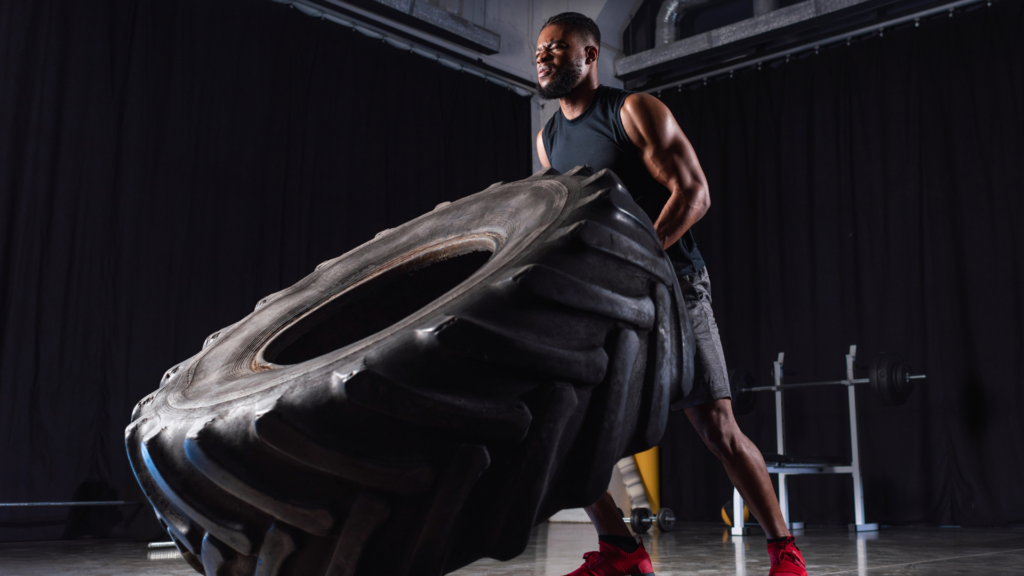

Staying safe while working out is crucial for anyone seeking to maintain their fitness routine. By following a few essential guidelines, individuals can significantly reduce the risk of injury and enjoy their workouts with confidence. This article emphasizes practical tips that everyone can incorporate, regardless of their fitness level or training environment.
From proper warm-ups to recognizing personal limits, safety measures play a vital role in any exercise regimen. Understanding the importance of hydration and wearing appropriate gear can further enhance one’s workout experience. Readers will find valuable insights into how to prepare effectively before hitting the gym or embarking on an outdoor run.
Ultimately, making safety a priority not only aids in physical health but also encourages a consistent and enjoyable workout journey. The following sections will provide targeted strategies to foster a safer and more effective exercise routine.
Understanding the Basics of Workout Safety
Workout safety is crucial for preventing injuries and ensuring effective exercise routines. There are several key principles to keep in mind.
- Warm-Up and Cool Down
Always start with a warm-up. This prepares the body and reduces injury risk. After the workout, cooling down helps with recovery. - Use Proper Equipment
Wearing appropriate shoes and using the right gear is essential. Equipment should be in good condition and suitable for the activity. - Maintain Hydration
Staying hydrated is vital during workouts. Dehydration can lead to fatigue and decreased performance. - Focus on Technique
Proper form is important to avoid injuries. She or he should be mindful of body alignment and movement patterns. - Listen to the Body
Pay attention to any signs of pain or discomfort. Ignoring these signals can lead to serious injuries. - Set Realistic Goals
Setting achievable goals helps maintain motivation. Gradual progress is more sustainable than pushing too hard too soon. - Know Your Limits
Everyone has different fitness levels. They should tailor their workouts to match their own capabilities.
By incorporating these basics into a fitness routine, individuals can enhance their safety, performance, and overall enjoyment of exercise.
Pre-Workout Considerations
Before starting any workout, several important factors should be considered to ensure safety and effectiveness. These include assessing health conditions, choosing the right attire, maintaining proper nutrition and hydration, and understanding individual fitness levels.
Health Assessment
A health assessment is crucial before any exercise regimen. Individuals should consult with a healthcare professional, especially if they have pre-existing conditions or are new to working out.
Key aspects to evaluate include:
- Medical History: Review chronic conditions such as heart disease, diabetes, or respiratory issues.
- Current Medications: Some medications can affect performance or response to exercise.
- Physical Limitations: Identify any past injuries that may impact workout choices.
Understanding these factors can help in formulating an appropriate exercise plan that minimizes risk.
Appropriate Attire
Wearing the right clothing and footwear can significantly impact workout safety and comfort. Proper attire enhances performance and reduces the risk of injuries.
Consider the following:
- Footwear: Select shoes that provide adequate support and cushioning based on the activity.
- Clothing: Choose breathable, moisture-wicking fabrics to regulate body temperature.
- Accessories: Use gear like wrist supports or knee braces if needed, based on personal requirements.
Proper attire prepares individuals to maximize their workout potential while preventing discomfort.
Proper Nutrition and Hydration
Fueling the body with nutritious food and staying hydrated is essential for optimal performance. A well-balanced diet and adequate hydration set a strong foundation for exercise.
Focus on:
- Pre-Workout Meal: Consume carbohydrates and protein 30 minutes to two hours before exercising for energy.
- Hydration: Drink water before, during, and after workouts to prevent dehydration.
- Electrolytes: In longer sessions, consider beverages that contain electrolytes to replenish lost minerals.
Nutrition and hydration play a critical role in energy levels and recovery during workouts.
Understanding Your Fitness Level
Knowing one’s fitness level helps tailor exercise programs to suit individual needs. This awareness aids in setting realistic goals and prevents overexertion.
Assess fitness level by:
- Self-Evaluation: Reflect on past exercise experiences and current capabilities.
- Fitness Tests: Conduct baseline tests measuring strength, endurance, and flexibility.
- Consulting Professionals: Seeking guidance from trainers for personalized assessments.
This understanding allows individuals to safely challenge themselves while progressing toward their fitness goals.
During Your Workout
Focusing on safety is crucial while exercising. Key areas include warm-up routines, safe practices during workouts, proper equipment use, and maintaining hydration. These elements help ensure a successful and injury-free exercise session.
Warm-Up Routines
A proper warm-up prepares the body for physical activity by increasing heart rate and blood flow to muscles. It typically lasts 5 to 10 minutes and includes low-intensity aerobic activities such as jogging or brisk walking. Dynamic stretches, like leg swings or arm circles, can enhance flexibility and reduce the risk of injuries.
Incorporating specific warm-ups for targeted muscle groups is important. For instance, if running is planned, focus on the legs with lunges or high knees. Aim for gradual intensity, gradually transitioning to more vigorous movements that mimic the intended workout.
Safe Exercise Practices
Practicing safety during workouts necessitates being aware of surroundings and listening to one’s body. Maintaining proper form is essential to prevent injuries. For example, during weightlifting, it’s critical to keep the back straight and use controlled movements.
Setting realistic and attainable goals prevents overexertion. Utilizing a buddy system can provide accountability and extra support. If pain occurs, it is advisable to stop immediately and assess whether to continue.
Using Equipment Correctly
Using gym equipment properly not only enhances effectiveness but also ensures safety. Prior to using any machine, individuals should read the instructions or seek guidance from a trainer if unsure.
Adjusting equipment settings to fit one’s body is essential. For instance, using a treadmill should involve properly positioning the height and incline for comfort. Always secure weights and attachments to avoid accidents, and clean equipment after use to maintain hygiene.
Maintaining Hydration
Hydration plays a key role in performance and safety during workouts. It’s recommended to drink water before, during, and after exercising. The general guideline suggests consuming at least 8 ounces of water about 30 minutes before starting.
During extended workouts, hydration becomes even more critical. Electrolyte drinks can be beneficial for athletes engaged in vigorous exercise lasting longer than an hour. Monitoring sweat loss can also inform hydration needs; clear urine indicates adequate hydration, while dark urine suggests the need for more fluids.
Post-Workout Practices
After a workout, it is crucial to implement certain practices to promote recovery and maintain overall health. Incorporating effective cooling down, stretching, nutrition, and body awareness can aid in injury prevention and enhance performance.
Cooling Down
Cooling down is essential after any workout session. It helps gradually lower heart rate and prevents blood from pooling in the muscles. A proper cool-down should last about 5 to 10 minutes and can include light aerobic activities like walking or slow cycling.
Incorporating controlled breathing techniques during cool-down can further support relaxation. This allows the body to transition from intense activity back to a resting state effectively. Cooling down also aids in reducing muscle soreness and stiffness.
Stretching Techniques
Post-workout stretching is vital for flexibility and recovery. It can help alleviate muscle tightness caused by exertion. Focus on static stretches, holding each position for 15 to 30 seconds. Target major muscle groups such as quadriceps, hamstrings, and shoulders for optimal benefits.
Dynamic stretching can also be useful, performed softly to avoid overstretching. Consider incorporating foam rolling as a self-myofascial release technique to alleviate tension in muscles. Consistent stretching can enhance the range of motion and decrease the risk of injuries.
Post-Exercise Nutrition
Nutrition plays a critical role in recovery after workouts. Consuming a balanced meal or snack within 30 minutes post-exercise is recommended. Focus on a combination of protein and carbohydrates, which aids in muscle repair and glycogen replenishment.
Examples include a protein shake, Greek yogurt with fruit, or whole-grain toast with nut butter. Staying hydrated is also crucial; drink water or an electrolyte-rich beverage to replace fluids lost during the workout. Proper nutrition accelerates recovery and prepares the body for future sessions.
Listening to Your Body
Post-workout practices should include awareness of the body’s signals. It is important to recognize signs of fatigue, soreness, or discomfort to avoid overtraining. Keeping a workout journal can help track performance and recovery patterns.
Pay attention to any persistent pain, particularly sharp or unusual sensations, as they may indicate an injury. Adjusting workout intensity and duration based on how the body feels can enhance long-term health. Prioritizing recovery is vital for sustained progress in fitness.
Environmental Safety Tips
Creating a safe workout environment is crucial for anyone engaging in physical activity. By being mindful of indoor and outdoor settings, as well as adapting to seasonal changes, individuals can significantly reduce the risk of injury.
Indoor Workout Safety
When exercising indoors, ensure that the area is well-ventilated to enhance airflow. This helps prevent overheating and maintains comfort during workouts.
Keep floors clear of clutter to avoid tripping hazards, and use non-slip mats when engaging in activities like yoga or Pilates.
Regularly inspect and maintain equipment to ensure it functions properly. If using free weights or machines, ensure they are in good condition. After a workout, tidy up to prevent accidents for yourself or others.
However, even with careful preparation, indoor workouts are not entirely risk-free. Faulty equipment, poorly maintained facilities, or inadequate supervision can sometimes result in serious injuries with long-term consequences. In such situations, consulting a Florida catastrophic injury lawyer (or elsewhere) may help injured individuals understand their legal options, assess responsibility, and address the broader impact of recovery, rehabilitation, and ongoing care.
Outdoor Workout Considerations
Outdoor workouts can pose unique risks, such as uneven terrain and weather changes. Always choose safe, well-lit areas for running or biking to avoid accidents.
Wear appropriate footwear that offers support and traction suited for various surfaces. Staying hydrated is vital, especially in warm weather, to prevent heat-related illnesses.
It’s also essential to monitor the weather forecast. Avoid workouts during extreme conditions like heavy rain, snow, or excessive heat, opting instead for safer times if conditions worsen.
Overall, maintaining safety during outdoor workouts requires preparation and awareness. One should remain mindful of their surroundings, follow traffic rules, wear visible clothing, and take precautions to reduce the risk of injury.
However, accidents may still occur due to circumstances beyond their control. At times, the negligence or recklessness of another person, such as a careless driver or poorly maintained public area, can lead to unexpected injuries.
In such situations, the injured individual needs to seek proper medical attention and consider obtaining legal assistance. Consulting an experienced personal Injury lawyer in Odessa, TX
(or elsewhere) can help ensure that the matter is thoroughly investigated, liability is established, and fair compensation is pursued for any damages suffered.
Seasonal Exercise Adjustments
Adapt workouts according to the seasons to promote safety and effectiveness. In winter, pay attention to icy conditions. Use salt or sand to provide traction on outdoor surfaces, and consider wearing layers to stay warm.
During summer, adjust the time of day for outdoor workouts to avoid midday heat. Early morning or late evening sessions can minimize exposure to the sun’s intensity.
Additionally, consider indoor alternatives during inclement weather. This could include joining a gym or practicing home workouts to maintain fitness without compromising safety.
Injury Prevention and Management
Injury prevention and management are essential for a safe and effective workout experience. Recognizing early signs of injury can help mitigate damage while knowing basic first aid can manage minor mishaps. Understanding when to seek professional help is crucial for recovery.
Recognizing Early Signs of Injury
Early detection of injuries can significantly impact recovery outcomes. Common early signs include:
- Pain: Sharp or persistent discomfort during activity.
- Swelling: Noticeable increase in size around a joint or muscle.
- Limited Range of Motion: Difficulty moving a body part as usual.
- Bruising: Discoloration indicates internal bleeding.
Athletes should pay close attention to any unusual sensations. Ignoring these signs may lead to more severe injuries. Regular self-assessments and listening to one’s body can prevent further complications.
First Aid Basics
Understanding basic first aid is vital for managing minor injuries effectively. Key first aid steps include:
- Rest: Cease activity immediately to prevent further damage.
- Ice: Apply ice packs for 15-20 minutes every hour to reduce swelling.
- Compression: Use elastic bandages to minimize swelling and provide support.
- Elevation: Keep the injured area raised above the heart to reduce swelling.
Having a first aid kit on hand is essential. Items to include are gauze, antiseptic wipes, adhesive bandages, and ice packs. Proper wound care and initial treatment can make a significant difference in healing time.
When to Seek Professional Help
Not all injuries require medical attention, but specific symptoms warrant professional evaluation. These include:
- Severe pain that doesn’t improve with rest or ice.
- Inability to bear weight on a limb.
- Persistent swelling after 48 hours of treatment.
- Changes in sensation, such as numbness or tingling.
Consulting a healthcare professional can provide accurate diagnoses and treatment plans. Prompt attention to serious injuries can prevent long-term complications and facilitate a quicker return to physical activity. However, if your injury happened due to negligence—like poorly maintained gym equipment, unsafe workout environments, or lack of proper supervision—it’s wise to seek advice from a personal injury attorney in Foley, AL (or elsewhere). Expert legal firms can help you understand your rights and explore options for compensation while you focus on healing and returning to your routine.
Advancing Your Fitness Safely
To build strength and endurance effectively, individuals must apply deliberate strategies that minimize the risk of injury. The following areas emphasize key approaches to enhancing fitness while ensuring safety.
Progressive Overload Principle
The progressive overload principle is essential for improving fitness levels safely. It involves gradually increasing the intensity of workouts. This can be achieved by:
- Increasing weight: Adding extra pounds to strength exercises
- Increasing reps or sets: Participating in more repetitions or sets
- Reducing rest time: Minimizing rest intervals between sets
Such incremental changes allow the body to adapt. It is crucial to monitor progress and avoid excessive increases that could lead to injury. A balanced approach ensures muscles and joints can cope with the demands placed on them.
Rest and Recovery
Rest and recovery are vital elements of any fitness regimen. They allow the body to heal and grow stronger.
Incorporating rest days into a workout schedule helps prevent burnout and overtraining. Recommended practices include:
- Sleep: Aim for 7-9 hours each night to facilitate recovery.
- Active recovery: Engage in light activities, like walking or yoga, to promote circulation.
Listening to the body is key; if fatigue or pain persists, additional rest may be necessary. It’s important to recognize signs of overtraining to maintain long-term health and performance.
Consulting Fitness Professionals
Engaging with fitness professionals adds a layer of safety to any workout plan. Personal trainers and coaches can provide expert guidance tailored to individual needs. They can help in various ways:
- Assessment: Evaluating fitness levels and creating personalized programs
- Technique correction: Ensuring proper form to reduce injury risk
- Motivation: Providing encouragement to stay committed
A qualified professional can also offer advice on selecting appropriate equipment and modifying workouts for specific goals or limitations. Investing in professional guidance can lead to more effective and safer fitness advancement.