
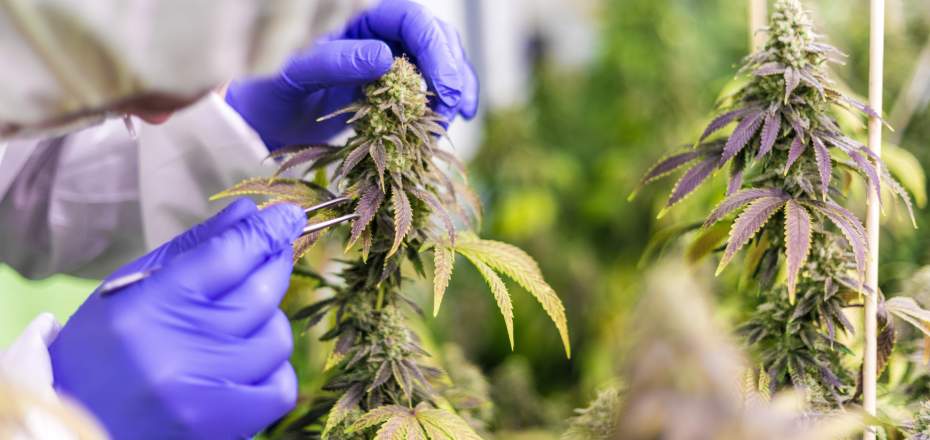
Cannabidiol, commonly known as CBD, has gained significant attention for its potential medical uses. Research suggests that CBD may help alleviate symptoms associated with various conditions such as chronic pain, anxiety, and epilepsy. As more studies emerge, understanding its applications and effectiveness becomes increasingly important for both patients and healthcare providers.
Many individuals are exploring CBD as an alternative or complementary treatment option. The compound interacts with the endocannabinoid system in the body, which plays a role in regulating a variety of functions, including mood and pain perception. This interaction offers promising avenues for therapeutic benefits, making it a topic of interest in the medical community.
As interest in natural remedies grows, CBD presents a viable option for those seeking relief without the side effects commonly associated with traditional pharmaceuticals. With ongoing research, the potential for CBD to provide effective medical solutions continues to expand, inviting further exploration and discussion around its uses.
Overview of CBD
CBD, or cannabidiol, is a compound found in cannabis plants, gaining attention for its potential therapeutic benefits. This section explores its chemical structure and the historical context of its medical use.
Chemical Composition of CBD
Cannabidiol (CBD) is one of over 100 cannabinoids identified in cannabis. It has a chemical formula of C₂₁H₃₀O₂, indicating that it contains 21 carbon atoms, 30 hydrogen atoms, and 2 oxygen atoms.
CBD does not produce the psychoactive effects typically associated with THC (tetrahydrocannabinol). Instead, it interacts with the body’s endocannabinoid system, which regulates various physiological processes such as pain sensation, mood, and immune response.
The extraction of CBD typically involves using CO₂ or solvent-based methods to isolate the compound from the plant material. This process results in products with varying concentrations of CBD, available in forms like oils, capsules, tinctures, and topical applications.
History of Cannabidiol Used in Medicine
Cannabidiol has been used for medicinal purposes since ancient times. Historical texts indicate that cannabis was utilized in China and India for its therapeutic properties.
The modern era began in the 20th century when scientists started isolating cannabinoids. In 1940, CBD was discovered and characterized, leading to increased interest in its potential medical applications.
Research conducted in the late 20th century highlighted CBD’s anticonvulsant properties. This foundation paved the way for clinical studies that support its use in treating conditions like epilepsy and anxiety.
By 2018, the U.S. FDA approved Epidiolex, a CBD-based medication used to treat specific epilepsy disorders, representing a significant milestone in its acceptance in the medical community.
Legal and Regulatory Status
The legal and regulatory landscape for CBD varies widely across different regions. Understanding these differences is crucial for consumers and manufacturers alike.
Global Legal Landscape
CBD’s legal status differs significantly worldwide. In countries such as Canada and Switzerland, CBD derived from hemp is generally legal, provided it meets specific regulatory standards. In the European Union, regulations exist to control CBD products, but individual member states may have varying rules.
In places like Australia and New Zealand, CBD can be obtained with a prescription but remains more restricted compared to North America. In some Asian countries, the legality of CBD is still uncertain, leading to potential legal risks for consumers and businesses.
Possible legal classifications include:
- Legal with Restrictions: Available for medical use or regulations.
- Legal for Recreational Use: Fully available to consumers.
- Illegal: Banned without exceptions.
FDA Perspective on CBD
The U.S. Food and Drug Administration (FDA) has taken a cautious approach regarding CBD. While the 2018 Farm Bill legalized hemp-derived CBD, the FDA maintains that CBD cannot be marketed as a dietary supplement or added to food.
The agency has issued warnings to companies making health claims about CBD. This has led to ongoing debates surrounding safety, efficacy, and appropriate regulatory pathways for products containing CBD.
Key issues include:
- Consumer Safety: Ensuring products are free from harmful substances.
- Quality Control: Standardizing production practices.
- Labeling Requirements: Transparency in product information.
These points highlight the complexities of regulatory oversight and the importance of compliance for businesses in the CBD market.
Therapeutic Benefits
CBD has gained attention for its potential therapeutic benefits across various health conditions. Research suggests that it may assist with pain relief, anxiety, neurological disorders, epilepsy, cancer treatment, and sleep issues.
Pain Management
CBD shows promise in alleviating chronic pain by interacting with the body’s endocannabinoid system. This system regulates various functions, including pain perception. Studies indicate that CBD may reduce inflammation and improve overall comfort in individuals dealing with conditions such as arthritis and multiple sclerosis.
Clinical trials have demonstrated that CBD oil is effective in managing pain from conditions like fibromyalgia and neuropathic pain. Users often report reduced reliance on opioid medications when incorporating CBD into their pain management regimen.
Anxiety and Depression Treatment
CBD has been studied for its potential to reduce anxiety and depression symptoms. It may act on serotonin receptors, which play a crucial role in mood regulation. Findings suggest that CBD can decrease anxiety levels in individuals with social anxiety disorder and generalized anxiety disorder.
Some studies have reported significant reductions in anxiety scores following CBD administration. Furthermore, preliminary research indicates that CBD might offer a well-tolerated alternative to traditional antidepressants without the severe side effects.
Neuroprotective Properties
CBD’s neuroprotective properties make it a subject of research in neurodegenerative diseases. It may help protect brain cells against degeneration, as seen in conditions like Alzheimer’s and Parkinson’s disease. Animal models have shown that CBD can reduce inflammation and oxidative stress in neural tissues.
In clinical research, CBD has been associated with improved cognitive function in patients with neurodegenerative disorders. By potentially modulating the endocannabinoid system, CBD may slow disease progression and enhance the quality of life for those affected.
Benefits for Epilepsy
CBD is particularly recognized for its effectiveness in epilepsy treatment, especially in treatment-resistant forms such as Dravet syndrome and Lennox-Gastaut syndrome. The FDA has approved Epidiolex, a CBD-based medication, for reducing seizure frequency in these conditions.
Clinical trials have reported a significant decrease in seizure frequency for patients using CBD. This raises hope for many families seeking alternative treatments for epilepsy when conventional therapies have proven ineffective.
Potential in Cancer Therapy
Research is exploring CBD’s role in cancer therapy, particularly for its anti-tumor effects. Preclinical studies suggest that CBD may inhibit cancer cell growth and induce apoptosis, or programmed cell death, in various cancers. This suggests potential as an adjunct therapy in conventional cancer treatments.
While evidence exists supporting CBD’s antitumor properties, more clinical trials are needed for conclusive findings. Patients considering CBD for cancer treatment should consult healthcare professionals to explore its potential benefits alongside traditional treatments.
Impact on Sleep Disorders
CBD may provide relief for individuals suffering from sleep disorders, including insomnia and REM sleep behavior disorder. By reducing anxiety and promoting relaxation, CBD can create conditions conducive to better sleep quality.
Several studies indicate that CBD may increase total sleep time and improve sleep onset. Individuals using CBD for sleep report a reduction in nightly awakenings and the ability to fall asleep faster, potentially leading to enhanced overall well-being.
Modes of Administration
There are several effective methods for administering CBD, each with distinct benefits and considerations. Understanding these modes can help individuals choose the most appropriate option for their needs.
Oral Consumption
Oral consumption involves ingesting CBD products, such as oils, capsules, or edibles. This method allows for a gradual absorption of CBD through the digestive system.
- Forms: Common forms include capsules, gummies, or mixed into beverages.
- Dosage: The dosage can vary significantly based on the product and individual needs.
- Onset Time: Effects typically take 30 minutes to two hours to manifest, depending on factors like metabolism and food intake.
Oral consumption offers convenience and longer-lasting effects. However, the bioavailability may be lower compared to other methods, as some of the CBD is metabolized before it reaches the bloodstream.
Topical Application
Topical application refers to applying CBD-infused creams, balms, or patches directly to the skin. This method is often used for localized relief, targeting specific areas of discomfort.
- Targeted Relief: Topicals can provide anti-inflammatory and analgesic effects in the applied area.
- Absorption: The skin absorbs CBD, allowing it to interact with cannabinoid receptors nearby.
- Ease of Use: The application is straightforward, with no need for measurement or preparation.
Topical application is suitable for conditions like arthritis, skin disorders, or muscle soreness. It minimizes systemic exposure, which is beneficial for those who prefer localized treatment without affecting the entire body.
Inhalation Methods
Inhalation includes methods such as vaping or smoking CBD. These methods allow for quick absorption through the lungs, delivering effects almost immediately.
- Forms: Users can choose from vape pens, CBD flowers, or pre-filled cartridges.
- Onset Time: The effects are felt within minutes, making it a fast-acting option.
- Dosage Control: Inhalation allows for more immediate adjustments based on individual responses.
While this method offers rapid relief, it may not be suitable for everyone due to potential respiratory issues. Quality and purity of product are also critical for safety.
Sublingual Use
Sublingual use involves placing CBD oil or tinctures under the tongue for absorption through the mucous membranes. This method offers a balance between rapid onset and longer-lasting effects.
- Administration: Typically done with droppers, allowing precise dosage control.
- Onset Time: Effects usually appear within 15 to 45 minutes.
- Bioavailability: Sublingual administration generally provides higher bioavailability than oral consumption due to the direct entry into the bloodstream.
This method is popular for those seeking swift relief from anxiety or pain without the need for inhalation.
Research and Studies
Numerous studies have explored the medical uses of CBD, focusing on its efficacy and safety across various conditions. Research includes clinical trials, preclinical studies, and investigations into long-term effects.
Clinical Trials on CBD
Clinical trials provide critical insights into CBD’s therapeutic effects. Several trials have focused on conditions such as epilepsy, anxiety, and chronic pain.
- Epilepsy: The FDA approved Epidiolex, a CBD-based drug, for treating certain types of epilepsy. Clinical trials demonstrated a significant reduction in seizure frequency among participants.
- Anxiety Disorders: Trials assessing CBD’s impact on anxiety reveal promising results. Patients reported decreased anxiety levels when treated with CBD compared to placebo.
- Pain Management: Research on chronic pain management shows that CBD may reduce pain and improve the quality of life for patients suffering from arthritis and neuropathic pain.
These findings underscore CBD’s potential as a medicine.
Preclinical Research
Preclinical studies often use animal models to evaluate CBD’s effects before human trials. These studies help determine biological mechanisms and safety profiles.
- Mechanisms of Action: Research indicates that CBD interacts with the endocannabinoid system, affecting receptors that regulate pain, mood, and memory.
- Safety Profile: Animal studies have generally shown a favorable safety profile for CBD, with no significant toxic effects at standard dosages.
- Conditions Studied: Preclinical research has investigated various conditions, including multiple sclerosis, inflammatory diseases, and addiction, demonstrating CBD’s potential to reduce inflammation and promote neuroprotection.
These findings lay the groundwork for future clinical studies.
Long-Term Efficacy and Safety
Long-term studies on CBD are essential to assess its sustained efficacy and safety. Current research is limited but shows encouraging results.
- Sustained Use: Participants in some studies have used CBD for extended periods with minimal side effects, indicating good tolerability.
- Efficacy Maintenance: Preliminary findings suggest that therapeutic effects, such as pain relief and seizure control, may be maintained over time without requiring increased dosages.
- Ongoing Research: More long-term studies are necessary to comprehensively understand the potential for dependency, withdrawal symptoms, or long-term side effects.
Current data suggests CBD may be a viable long-term treatment option for certain conditions.
Side Effects and Safety Considerations
CBD may provide therapeutic benefits, but it is essential to recognize potential side effects, drug interactions, and applicable precautions. Understanding these aspects can help ensure safe use.
Common Side Effects
CBD is generally well-tolerated, yet some individuals may experience side effects. Common issues include:
- Fatigue: Some users report feelings of tiredness or drowsiness.
- Diarrhea: Gastrointestinal discomfort or loose stools can occur in some cases.
- Changes in Appetite: CBD may either increase or decrease appetite, leading to weight fluctuations.
- Dry Mouth: A sensation of dryness can occur, often referred to as “cottonmouth.”
These side effects are typically mild and subside with continued use or dosage adjustment. Nonetheless, it is advisable to consult a healthcare professional if side effects persist or worsen.
Drug Interactions
CBD has the potential to interact with various medications. Some important considerations include:
- Blood Thinners: CBD may enhance the effects of anticoagulants, increasing bleeding risk.
- Antiepileptic Drugs: CBD can alter the metabolism of certain medications, potentially leading to increased or decreased efficacy.
- Other Medications: CBD inhibits cytochrome P450 enzymes, affecting how some drugs are metabolized.
Patients should disclose their CBD use to healthcare providers to evaluate all potential interactions cautiously. Adjustment of medication dosages may be warranted based on individual needs.
Contraindications and Precautions
Certain individuals should approach CBD use with caution or avoid it altogether. Key groups include:
- Pregnant or Nursing Women: Insufficient research exists regarding CBD’s effects on fetal development or breastfeeding infants.
- Individuals with Liver Conditions: Those with liver impairment may face increased risks, as CBD is metabolized in the liver.
- People with Allergies: Individuals who have shown allergies to cannabis should refrain from using CBD products.
Consultation with a healthcare provider is crucial before starting CBD, particularly for those with existing health conditions or on multiple medications. This step ensures a safe approach tailored to individual health needs.
Consumer Considerations
When selecting CBD products, consumers should prioritize quality, proper dosage, and clear labeling. These factors contribute significantly to the effectiveness and safety of CBD use for medical purposes.
Choosing Quality CBD Products
Investing in high-quality CBD products is crucial for ensuring efficacy and safety. Consumers should look for products derived from organically grown hemp, as this reduces exposure to pesticides and harmful chemicals.
Third-party lab testing is essential. Reputable brands provide Certificates of Analysis (COA), which confirm the product’s cannabinoid content and check for contaminants.
Reading customer reviews can also provide insights into product performance and brand reputation.
Dosage Guidelines
Determining the right dosage for CBD can vary widely between individuals. Factors such as weight, metabolism, and the reason for use play pivotal roles.
Starting with a low dosage, typically 5-10 mg, is advisable to gauge individual tolerance and effects. Gradually increasing dosage based on personal response can lead to optimal outcomes.
A healthcare professional familiar with CBD can offer personalized guidance, especially for those with underlying health conditions.
Product Labeling and Transparency
Clear labeling is vital for consumers to make informed choices. Products should explicitly state the amount of CBD and other cannabinoids per serving, as well as any additives.
Terms like “full-spectrum,” “broad-spectrum,” or “CBD isolate” should be defined on the label. Consumers should be aware of THC content, especially if they undergo drug testing.
Brands should also disclose their sourcing and manufacturing practices. Transparency builds trust and helps consumers feel confident about their purchases.
Future of CBD in Medicine
The future of CBD in medicine appears promising. Research indicates the potential for CBD to treat a variety of conditions, including anxiety, chronic pain, and epilepsy.
Ongoing Research Areas:
- Neurological Disorders: Studies explore CBD’s effects on Alzheimer’s and Parkinson’s diseases.
- Mental Health: Trials assess CBD for anxiety and depression relief.
- Pain Management: Investigations focus on chronic pain treatment alternatives.
Regulatory changes may further enhance CBD’s medical application. As more states and countries legalize CBD, researchers gain opportunities for large-scale studies.
Challenges Ahead:
- Standardization: Consistency in product formulations is necessary for reliable outcomes.
- Public Perception: Misconceptions about CBD use may hinder acceptance.
- Regulatory Hurdles: Navigating legal frameworks can slow research progress.
The integration of CBD into mainstream medicine will depend on scientific validation of its efficacy and safety. Collaboration among scientists, healthcare providers, and policymakers will be crucial.
Key Considerations:
- Patient Education: Informing patients about potential benefits and risks is vital.
- Healthcare Training: Training for healthcare providers on CBD will facilitate informed recommendations.
CBD’s evolving role in healthcare could transform treatment paradigms in the coming years. Continued exploration and investment in research are essential for unlocking its full potential.