
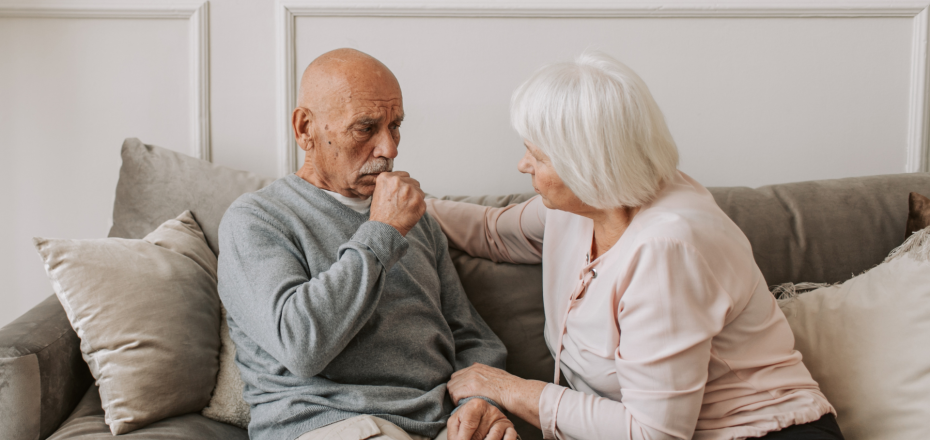
Physical health plays a crucial role in shaping one’s love life. A person’s fitness level and overall well-being can significantly influence attraction, intimacy, and relationship satisfaction. Individuals often find that when they feel good physically, it translates into greater confidence and emotional connection with partners.
Many people overlook the connection between health and romance, but factors like energy levels, body image, and sexual health directly impact how they engage with their partners. Engaging in regular physical activity not only enhances physical appearance but also improves mental health, leading to more fulfilling interactions.
Addressing health-related issues can lead to a more active and satisfying love life. Improved self-esteem and vitality can help individuals better navigate the complexities of romantic relationships, fostering stronger connections and greater happiness with loved ones.
The Connection Between Physical Health and Romantic Relationships
Physical health plays a significant role in shaping romantic relationships. Factors such as physical well-being, hormonal balance, and overall health can directly impact attraction, bonding, and interaction within a partnership.
How Physical Well-Being Influences Love Life
Physical well-being affects not just individual health, but also interpersonal dynamics in romantic relationships. A person who feels good physically is more likely to engage enthusiastically with their partner. This engagement can lead to greater intimacy and emotional connection.
Physical health also influences self-esteem. When individuals feel fit and attractive, they are more confident in expressing affection. This can foster a healthier and more satisfying love life, encouraging open communication and deeper emotional bonds.
Sometimes, specific physical discomforts or self-consciousness about certain parts of the body can hold people back from fully enjoying these connections. For women, physical changes or anatomical variations in the intimate area can cause physical pain during exercise or intimacy. This discomfort often leads to anxiety and a lack of confidence in romantic situations. Addressing these concerns through medical procedures like labiaplasty atlanta or procedures in your area, can help resolve both the physical irritation and the emotional worry. When women feel comfortable in their own bodies, they often find it easier to connect with their partners.
Key Health Factors That Shape Romantic Experiences
Several health factors are critical in shaping romantic experiences. Diet and nutrition play a vital role. A balanced diet contributes to higher energy levels, which can enhance social interactions and intimacy.
Physical activity is equally important. Regular exercise not only improves physical appearance but also releases endorphins, often referred to as “feel-good” hormones. More endorphins can lead to improved mood and lower stress, facilitating more positive romantic experiences.
Sleep quality can also significantly affect relationships. Poor sleep may lead to irritability and decreased emotional responsiveness. Individuals who prioritize their sleep tend to experience less tension and more harmony in their love lives.
The Role of Hormones in Attraction and Bonding
Hormones are central to attraction and relationship bonding. Key hormones like oxytocin, often called the “love hormone,” are released during physical intimacy, fostering trust and connection. Higher levels of oxytocin can deepen emotional bonds between partners.
Other hormones, such as testosterone and estrogen, also influence attraction. These hormones affect libido and can dictate how individuals express their affection and desire. A balance in these hormones is essential for maintaining a healthy romantic relationship. For individuals seeking medically supervised hormone optimization for concerns related to libido, energy, and vitality, clinics like Biltmore Restorative Medicine and Aesthetics offer personalized therapies such as hormone replacement and regenerative treatments.
When to Explore Clinician-Led Treatment Options
Lifestyle factors such as sleep, exercise, nutrition, and stress management can support general wellbeing, but they do not answer every persistent concern. When changes in sexual health, energy, or physical wellbeing continue, a qualified healthcare professional can assess the wider picture, including health history, current medications, and whether further evaluation or treatment is appropriate.
Location can matter when ongoing consultation or follow-up is involved. People in central Oklahoma who are comparing clinician-led options may research peptide treatment in Oklahoma City as part of understanding what services are available locally. Peptide therapy should not be treated as a general solution for low libido, fatigue, or relationship concerns; whether any specific treatment is appropriate depends on individual assessment and professional guidance.
Physical Health Factors Impacting Intimacy and Relationship Quality
Physical health plays a crucial role in shaping both emotional and physical intimacy in relationships. Various factors, including stress levels, heart health, and blood pressure, significantly influence how partners connect and experience satisfaction.
Stress and Its Effect on Emotional and Physical Intimacy
Stress can create barriers to emotional and physical intimacy. When someone is under stress, the body releases hormones like adrenaline and cortisol, affecting their mood and interactions.
Chronic stress may lead to irritability or withdrawal, which can harm the relationship. Couples may find it challenging to connect emotionally or engage in physical affection during high-stress periods. This disconnect can create misunderstandings and foster feelings of loneliness.
Additionally, stress can result in reduced libido, further hindering physical intimacy. Partners often need to communicate openly to navigate stress effectively, creating a supportive environment for intimacy to thrive.
Heart Health and Its Role in Maintaining Relationship Satisfaction
Good heart health is essential for maintaining relationship satisfaction. Cardiovascular issues can lead to decreased personal energy and vitality, impacting one’s enthusiasm for intimacy.
Individuals with heart disease or related conditions may experience fatigue, limiting their ability to engage fully in romantic activities. This physical limitation can create a rift between partners, affecting emotional closeness.
Conversely, regular exercise and a balanced diet promote heart health, enhancing mood and energy levels. Couples who prioritize physical health together often experience stronger bonds and improved relationship satisfaction.
The Impact of Blood Pressure and Heart Rate on Intimacy
Blood pressure and heart rate can significantly influence intimacy. Elevated blood pressure may lead to anxiety or decreased sexual desire. High blood pressure can create physical discomfort, making intimacy less appealing.
On the other hand, a normal heart rate and blood pressure can foster relaxation, enhancing emotional and physical connections. When partners feel relaxed and healthy, they are more likely to engage in intimate behaviors and experience joy together.
Practicing stress-relief techniques, such as meditation or yoga, can help maintain healthy blood pressure and heart rate, promoting a positive atmosphere for intimacy. Therefore, addressing these physical health aspects is vital for nurturing strong relationships.
How Lifestyle Choices and Recovery Influence Your Love Life
Lifestyle choices play a critical role in shaping the dynamics of romantic relationships. Elements such as physical activity, mental health, and social connections can significantly impact how individuals interact with their partners. The following sections explore these influences in detail.
The Role of Physical Activity and Recovery in Relationship Dynamics
Physical activity fosters not only personal well-being but also strengthens romantic connections. Engaging in regular exercise can enhance mood and energy levels, making individuals more receptive and engaged in their relationships.
Additionally, exercise promotes the release of endorphins, which can lead to improved interactions between partners.
When one partner is committed to a healthy lifestyle, it can encourage the other to join in, creating shared experiences. Active couples often find that their bond deepens through shared physical challenges and accomplishments.
On the flip side, poor recovery from physical activities can lead to irritability and fatigue. Such states can strain relationship dynamics, highlighting the importance of balance in lifestyle choices.
Supporting Mental Health for Stronger Connections
Mental health is fundamental to forming and maintaining healthy relationships. Individuals experiencing mental health challenges may struggle with communication, which can lead to misunderstandings with their partners.
Establishing supportive environments can mitigate these issues. Couples who prioritize mental wellness often communicate more effectively and empathize better with each other’s struggles.
Therapeutic approaches, such as couples therapy or individual counseling, can provide tools and strategies to bring partners closer together.
Moreover, when partners actively support each other’s mental health needs, it can strengthen their emotional bond. Healthy coping mechanisms, like mindfulness and yoga, can enhance their connection and resilience against external stressors.
More broadly, investing in overall wellbeing, whether through therapy, physical fitness, or self care treatments at clinics like 8 West or similar options, can contribute to a stronger sense of self, which can translate into greater confidence and more fulfilling relationships.
Balancing Social Relationships for Healthy Romance
Social relationships play a pivotal role in a romantic partnership’s success. Strong friendships can provide essential support and perspective outside the romantic relationship.
Married individuals often find that their social networks enhance their love lives. Engaging with friends can alleviate stress, thereby improving interactions with their partners.
However, neglecting friendships can cause a partner to feel isolated. Striking a balance between social engagements and time spent with a romantic partner is vital.
Setting aside regular time for friends and family can enrich personal lives, leading to healthier romantic relationships. A well-rounded social life can provide couples with broader experiences and insights, ultimately benefiting their love lives.