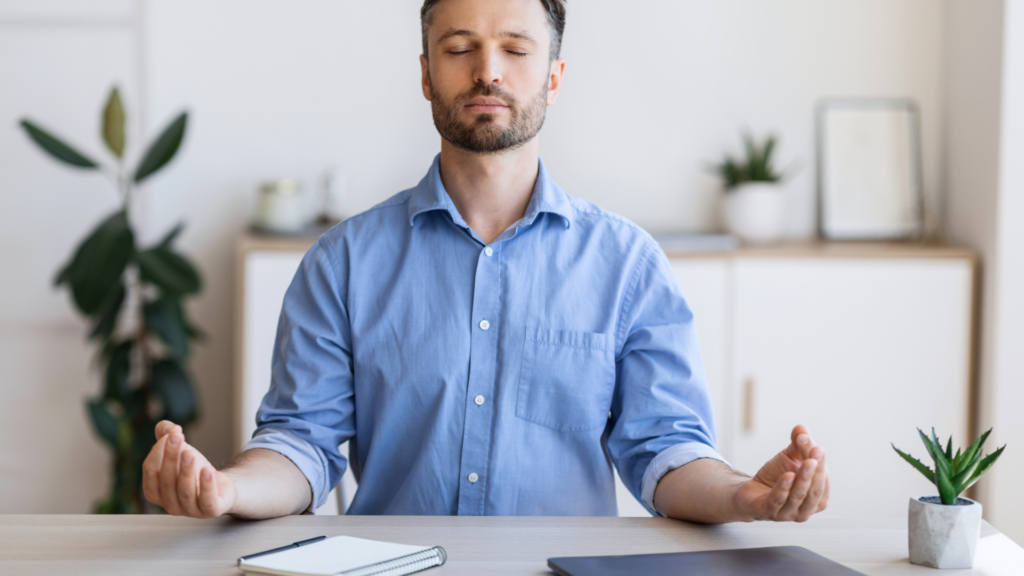

In today’s fast-paced world, nurturing mental wellness is essential for maintaining overall well-being. Simple, intentional daily habits can significantly enhance mental health over time. Incorporating practices like mindfulness, regular physical activity, and structured routines can lead to lasting improvements in mental wellness.
Engaging in consistent habits not only helps manage stress but also fosters a sense of purpose and connection. Small changes, when practiced regularly, can create a profound impact on one’s mental state. They contribute to resilience and emotional stability, making it easier to navigate life’s challenges.
As individuals explore effective strategies for enhancing their mental health, they often find that the journey toward well-being begins with mindful choices made every day. By adopting beneficial routines, they can build a solid foundation for a healthier, more fulfilling life.
Establishing a Positive Mindset Through Daily Habits
Developing a positive mindset requires consistent practice through daily habits. Engaging in activities that foster gratitude, promote a positive outlook, and build coping skills can enhance emotional well-being and reduce stress over time.
Practicing Gratitude and Reflection
Incorporating gratitude into daily life significantly impacts mental well-being. Individuals can maintain a gratitude journal, noting three things they appreciate each day. This practice helps shift focus from negativity to positive experiences.
Reflection is equally essential. Setting aside time to contemplate daily experiences allows individuals to process emotions and recognize growth. Simple prompts, such as “What went well today?” can deepen this reflective practice.
Engaging in gratitude and reflection cultivates a positive mindset and strengthens emotional resilience.
Adopting a Positive Outlook on Life
A positive outlook involves consciously choosing to see situations through an optimistic lens. Individuals can start by identifying and challenging negative thoughts. Techniques such as cognitive restructuring allow them to reframe thoughts in a more positive light.
Additionally, surrounding oneself with positive influences enhances this practice. This can include consuming uplifting content, such as motivational podcasts or books.
Affirmations also play a role; repeating positive statements daily reinforces one’s self-worth and capability. This collective approach helps foster a habit of positivity.
Building Coping Skills for Emotional Well-Being
Developing coping skills ensures individuals can effectively manage stress and anxiety. One essential strategy is practicing mindfulness. Mindfulness techniques, such as meditation or deep-breathing exercises, help ground individuals in the present moment.
Creating a self-care routine is also crucial. Activities like exercise, hobbies, or spending time in nature contribute positively to emotional health.
Seeking support from friends or professionals further bolsters coping efforts. Establishing a strong support network helps in navigating challenges. Together, these strategies form a robust foundation for emotional well-being.
Supporting Mental Wellness with Mindful Routines
Mindful routines play a crucial role in enhancing mental wellness. They help cultivate awareness, reduce anxiety, and promote relaxation through specific practices. The following habits can effectively support mental health over time.
Incorporating Mindfulness and Meditation
Mindfulness involves maintaining awareness of the present moment. It allows individuals to observe thoughts and feelings without judgment. Regular meditation practice can enhance this awareness.
Starting with just five minutes a day of focused breathing can yield significant benefits. Techniques such as guided imagery or body scans can deepen the experience.
Individuals often report reduced anxiety and enhanced emotional regulation. Engaging with mindfulness apps can provide structure and support. Establishing a dedicated time and space for meditation can further enhance its effectiveness.
Engaging in Deep Breathing and Relaxation Techniques
Deep breathing techniques can significantly lower stress levels. Focusing on slow, deliberate breaths helps calm the nervous system.
One effective method is the 4-7-8 technique: inhale for four counts, hold for seven, and exhale for eight. Practicing this regularly can foster a sense of tranquility.
Incorporating progressive muscle relaxation can complement deep breathing. This technique involves tensing and relaxing different muscle groups, promoting physical and mental relief. Individuals may find that these methods together help in managing anxiety effectively.
Utilizing Yoga for Balance and Calm
Yoga combines physical movement, breath control, and meditation to enhance mental wellness. Various styles cater to different needs, from gentle Hatha to more dynamic Vinyasa.
Practicing yoga encourages body awareness and can alleviate stress. Regular engagement may lead to improved mood and mental clarity.
Positions such as Child’s Pose and Downward Dog promote relaxation and grounding. Including breathing techniques within a yoga practice amplifies its calming effects. Individuals will discover that establishing a routine enhances both physical and mental balance over time.
Enhancing Mental Health Through Physical and Social Wellness
Physical and social wellness significantly contributes to mental health. Engaging in healthy habits related to nutrition and physical activity, along with fostering relationships, can enhance one’s overall well-being. Below are key areas to consider for improving mental wellness through these aspects.
Maintaining Healthy Eating and Nutrition
Healthy eating plays a critical role in mental health. A balanced diet rich in fruits, vegetables, whole grains, and lean proteins supports brain function and emotional stability. Nutrients such as omega-3 fatty acids, antioxidants, and vitamins contribute to the production of brain chemicals that regulate mood.
Avoiding processed foods and high sugar intake can reduce mood fluctuations. Regular, nutritious meals help maintain energy levels and decrease feelings of fatigue or irritability. Meal planning can be an effective strategy for making healthy choices more convenient.
Boosting Mood with Physical Activity
Physical activity is a powerful tool for enhancing mental health. Engaging in regular exercise, even moderate activities such as walking or cycling, releases endorphins, which can elevate mood and reduce feelings of stress and anxiety.
Exercise also promotes better sleep patterns, adding to overall well-being. Studies suggest that aiming for at least 150 minutes of moderate aerobic activity each week can foster resilience against mental health challenges. Finding enjoyable activities increases the likelihood of maintaining an active lifestyle.
Fostering Supportive Social Connections
Building and maintaining healthy relationships is vital for mental wellness. Strong social networks provide emotional support, reduce feelings of isolation, and contribute to a sense of belonging. Engaging with friends, family, and community offers opportunities for shared experiences that strengthen bonds.
Regular interaction with supportive individuals can enhance resilience in challenging times. Participating in group activities or connecting through interests fosters deeper connections. A healthy social network promotes open communication and mutual support, which is essential for mental health.
Volunteering and Building Good Relationships
Volunteering is a significant way to enhance social connections and mental wellness. Contributing to the community fosters a sense of purpose and belonging, making individuals feel valued. Helping others can elevate mood and provide satisfaction.
Engaging in volunteer work often leads to new relationships and social networks, which are vital for good mental health. It creates opportunities for teamwork, empathy, and shared goals, all of which strengthen emotional ties. Establishing good relationships through volunteering supports a positive mental environment, benefiting both the individual and the community.
Seeking Professional Help and Long-Term Self-Care
Professional help can play a vital role in maintaining mental wellness. Alongside this, developing self-care practices is essential for long-term well-being. Both approaches support a healthier mindset and improve mental health outcomes.
Recognizing When to Consult a Counselor
It’s important to know when to seek professional help. Signs may include persistent feelings of sadness, anxiety, or overwhelm. If daily tasks feel unmanageable or relationships strain under emotional weight, consulting a counselor can be beneficial.
Counselors provide a safe space to explore emotions without judgment. They can offer tailored strategies for coping with challenges. Individuals should not hesitate to seek help, as doing so is a sign of strength and commitment to personal growth.
Developing Lasting Self-Care Practices
Incorporating self-care into daily routines promotes mental health. Establishing specific practices can enhance resilience against stress. Examples include:
- Regular Exercise: Engaging in physical activity releases endorphins, creating a natural mood lift.
- Mindfulness and Meditation: These practices foster awareness and emotional regulation, helping to maintain focus and calm.
- Healthy Eating: Nutrient-rich foods contribute to overall well-being, impacting mood and energy levels.
Sustaining these routines over the long term builds a solid foundation for mental resilience. Individuals should assess their needs and preferences to find what works best for them.
Managing Stress for a Healthier Mindset
Effectively managing stress is crucial for a healthier mindset. Techniques such as deep breathing, time management, and setting boundaries can minimize stressors. Individuals should identify specific triggers that contribute to their stress and develop actionable strategies to address them.
Creating a balanced schedule with designated downtime can also help prevent burnout. In addition, establishing a support system of friends and family allows for sharing feelings and concerns. Seeking help when needed ensures that stress remains manageable, contributing to improved mental health over time.