
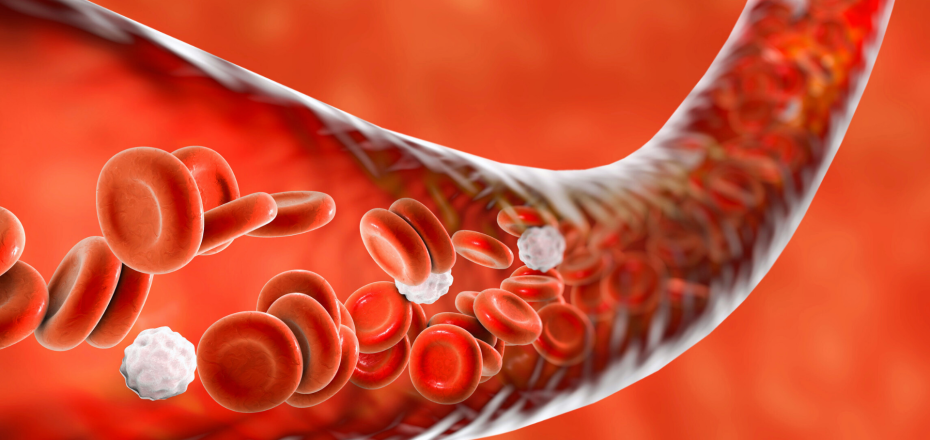
Healthy circulation is essential for delivering oxygen and nutrients to every part of your body. Supporting healthy circulation involves regular physical activity, a balanced diet rich in antioxidants and healthy fats, and avoiding habits that can restrict blood flow, like smoking.
Staying hydrated and managing stress also play significant roles in maintaining optimal blood flow. Understanding these key factors can help you improve circulation and support overall cardiovascular health.
Understanding Circulation
Blood moves throughout the body to deliver oxygen and nutrients while removing waste products. Several systems and factors influence this process to ensure tissues receive adequate blood flow.
How Blood Circulation Works
Blood circulation involves two main loops: pulmonary and systemic. The pulmonary loop carries deoxygenated blood from the heart to the lungs for oxygen exchange. The systemic loop delivers oxygen-rich blood from the heart to the rest of the body.
Arteries carry oxygenated blood away from the heart. Veins return deoxygenated blood back to the heart. Capillaries connect arteries and veins, enabling nutrient and gas exchange at the cellular level.
Blood pressure, generated by heart contractions, helps push blood through vessels. Valves in veins prevent the backflow of blood, supporting consistent flow, especially in the lower body.
The Role of the Cardiovascular System
The cardiovascular system includes the heart, blood vessels, and blood. The heart acts as a pump, maintaining pressure to propel blood throughout the body.
Blood vessels vary in type and function: arteries handle high-pressure flow, veins store and return blood, and capillaries provide a site for exchange between blood and tissues.
This system regulates body temperature and helps maintain pH balance. It also transports hormones and immune cells to support overall health.
Factors Affecting Circulation
Several factors impact circulation quality. Physical activity strengthens the heart and improves vascular flexibility. Sedentary behavior can lead to poor circulation and increased clot risk.
Diet influences blood vessel health; high salt and saturated fats may reduce vessel function. Hydration keeps blood volume optimal for circulation.
Medical conditions like atherosclerosis or diabetes directly impair circulation by damaging vessels or restricting blood flow. Smoking narrows blood vessels and reduces oxygen delivery.
Key lifestyle adjustments and managing underlying conditions help maintain healthy circulation.
Lifestyle Choices for Optimal Circulation
Maintaining healthy circulation depends on consistent habits that promote blood flow and reduce strain on the cardiovascular system. Key areas involve staying active, controlling weight, and breaking up long periods of inactivity.
Physical Activity and Exercise
Regular physical activity stimulates the heart to pump blood more efficiently and enhances the flexibility of blood vessels. Activities like brisk walking, cycling, and swimming for at least 150 minutes per week improve circulation by increasing oxygen-rich blood delivery to tissues.
Strength training twice a week supports muscle health, which aids circulation by promoting venous return. Avoid sedentary exercise routines; include dynamic movements such as leg raises or calf stretches to prevent blood pooling.
Exercise also reduces inflammation and supports healthy blood pressure, lowering risks of circulatory issues. Consistency, rather than intensity alone, ensures lasting benefits for vascular health.
Managing Weight and Body Composition
Excess body fat increases pressure on blood vessels and the heart, impairing circulation. Maintaining a healthy weight through balanced nutrition and regular exercise is crucial for reducing strain.
Focus on whole foods, including vegetables, lean proteins, and whole grains, which support vascular health without excess calories or harmful fats. Reducing processed sugars and saturated fats can improve arterial function.
Body composition matters too; lean muscle mass supports efficient circulation by facilitating blood flow back to the heart. Tracking metrics like waist circumference and body fat percentage provides better insight than weight alone.
Limiting Prolonged Sitting
Extended sitting reduces blood flow, particularly in the lower limbs, increasing the risk of blood clots and varicose veins. Standing or moving every 30 to 60 minutes reverses this effect by activating calf muscles.
Simple adjustments like using a standing desk or short walking breaks improve venous return. When seated, avoid crossing legs, which can restrict blood flow.
In environments where standing frequently isn’t possible, ankle pumps and foot circles can stimulate circulation. These small habits prevent blood from pooling, reducing circulatory strain over time.
Nutrition for Healthy Blood Flow
Maintaining healthy blood flow depends heavily on the foods and nutrients consumed daily. Proper hydration supports optimal blood volume, while specific vitamins and minerals strengthen blood vessels and aid circulation.
Foods That Promote Circulation
Certain foods contain compounds that actively improve blood flow by reducing inflammation and preventing clots. Leafy greens like spinach and kale are rich in nitrates, which convert to nitric oxide—a molecule that relaxes blood vessels.
Berries, including blueberries and strawberries, provide antioxidants that protect blood vessel walls from damage. Fatty fish such as salmon and mackerel supply omega-3 fatty acids, known to reduce triglycerides and lower blood pressure. Garlic and citrus fruits are also beneficial due to their natural ability to dilate arteries.
A list of circulation-friendly foods:
- Leafy greens (spinach, kale)
- Berries (blueberries, strawberries)
- Fatty fish (salmon, mackerel)
- Garlic
- Citrus fruits (oranges, lemons)
Hydration and Blood Volume
Adequate hydration ensures the blood remains fluid enough to flow easily through vessels. When dehydrated, blood thickens, increasing the risk of clots and reducing oxygen delivery to tissues.
Water intake recommendations vary, but aiming for at least 8 cups (about 2 liters) daily aids circulation. Electrolyte balance is also important; minerals like sodium, potassium, and magnesium help maintain blood pressure and volume.
Avoid excessive caffeine and alcohol, which can lead to dehydration and impair blood flow. Drinking water consistently throughout the day supports steady circulation.
Nutrients Essential for Vascular Health
Certain vitamins and minerals directly contribute to maintaining flexible and healthy blood vessels. Vitamin C supports collagen production, strengthening vessel walls and reducing breakage risks.
Vitamin E acts as an antioxidant, preventing oxidative damage to arteries. B-complex vitamins, particularly B6, B12, and folate, help regulate homocysteine levels—amino acids linked to artery damage when elevated.
Magnesium relaxes blood vessels and aids muscle function within the vasculature. Zinc also plays a role in cell repair and immune function, indirectly supporting vessel health.
| Nutrient | Role in Circulation | Sources |
| Vitamin C | Collagen synthesis, vessel strength | Citrus fruits, bell peppers |
| Vitamin E | Antioxidant protection | Nuts, seeds, spinach |
| B Vitamins | Homocysteine regulation, vascular function | Meat, dairy, leafy greens |
| Magnesium | Vessel relaxation, muscle function | Nuts, whole grains, legumes |
| Zinc | Cell repair and immune support | Meat, shellfish, legumes |
Habits and Practices to Enhance Circulation
Maintaining healthy blood flow relies on a combination of lifestyle choices that target mental, physical, and chemical influences on the body. Effective techniques include managing emotional tension, fostering restorative sleep, and eliminating harmful substances.
Managing Stress Levels
Chronic stress triggers the release of hormones like cortisol and adrenaline, which constrict blood vessels and hinder circulation. Developing methods to reduce stress can improve vascular function.
Regular practice of breathing exercises, meditation, or yoga helps lower blood pressure and promotes arterial relaxation. Even brief daily sessions, around 10-15 minutes, can make a noticeable difference.
Physical activities such as walking or swimming also counteract stress hormones and stimulate blood flow. Avoiding excessive caffeine and setting boundaries around work can further reduce tension and support healthy circulation.
Quality Sleep Patterns
Sleep directly impacts cardiovascular health by allowing the body to regulate blood pressure and repair vessels. Adults should aim for 7-9 hours of uninterrupted sleep nightly to optimize circulation.
Maintaining a consistent bedtime routine enhances melatonin production, which aids vasodilation. Avoiding screens and heavy meals before bed improves sleep quality.
Poor sleep can increase inflammation and worsen arterial stiffness, so monitoring and addressing sleep disorders like apnea is crucial. Creating a cool, dark, and quiet environment supports deep, restorative rest.
Smoking Cessation
Smoking damages the lining of blood vessels, increases blood clot risk, and reduces oxygen delivery. Quitting smoking is one of the most impactful steps to restore circulation.
Nicotine causes arteries to narrow, leading to higher blood pressure and impaired flow. Carbon monoxide in smoke also lowers oxygen levels in the blood.
Using nicotine replacement therapies or medications can aid cessation efforts. Support programs and counseling improve success rates. Within weeks of quitting, circulation improves as vessel function begins to normalize.
Natural Supportive Methods
Supporting healthy circulation involves targeted techniques that improve blood flow and reduce pressure in the veins. These practical approaches can enhance vascular health and comfort in specific ways.
Massage and Bodywork
Massage techniques like lymphatic drainage and deep tissue massage stimulate blood flow by encouraging the movement of fluids through vessels. Gentle, rhythmic strokes help reduce swelling and promote oxygen delivery to tissues.
Regular sessions improve vein flexibility and lessen muscle tension that can restrict circulation. Avoid heavy pressure on sensitive or inflamed areas to prevent damage.
Therapists skilled in circulation-focused bodywork can customize treatment based on individual needs, including issues like varicose veins or poor limb circulation. Home self-massage with tools like foam rollers or handheld massagers can also aid circulation when done correctly.
Contrast Therapy
Contrast therapy alternates between hot and cold applications to blood vessels, causing expansion and contraction. This process increases vascular tone and supports efficient blood flow.
For practical use, apply warm compresses or soak limbs in warm water for 3–5 minutes, then switch to cold packs or cold water immersion for 30 seconds to 1 minute. Repeat for 3–5 cycles.
This technique enhances capillary function and can relieve symptoms like leg heaviness or swelling. People with circulatory conditions should consult a healthcare provider before use to avoid adverse effects.
Elevation and Compression
Elevating limbs above heart level reduces gravitational pressure, facilitating venous return and decreasing swelling.
Use pillows or adjustable furniture to raise legs for 15–30 minutes, especially after long periods of standing or sitting. Elevation supports valve function in veins, reducing pooling of blood.
Compression garments apply controlled pressure to legs, improving blood flow and preventing fluid accumulation. They vary from light to medical-grade, and proper fitting is crucial to avoid constriction.
Wearing compression during extended activity or travel can help maintain steady circulation and prevent discomfort.
Medical Approaches and Professional Guidance
Proper identification and timely treatment of circulation problems are key to preventing complications. Medical professionals use specific criteria to evaluate symptoms and decide on suitable interventions. Treatment may range from lifestyle advice to prescription medications or clinical procedures.
Recognizing Symptoms of Poor Circulation
Symptoms of poor circulation often include cold or numb extremities, swelling, and persistent cramps or pain in the legs. Individuals may notice skin discoloration or slow-healing wounds, especially on the feet or legs. Tingling or a “pins and needles” sensation can also indicate compromised blood flow.
Chronic symptoms might signal underlying conditions like peripheral artery disease (PAD) or diabetes-related vascular problems. Monitoring these signs closely helps pinpoint issues early. If symptoms worsen, they can lead to tissue damage or an increased risk of infection.
When to Seek Medical Evaluation
Seek medical evaluation if symptoms last more than a few days or interfere with daily activities. Immediate attention is necessary when experiencing severe leg pain at rest, sudden coldness, or color changes in limbs. Also, persistent ulcers or sores that do not heal within two weeks require prompt assessment.
Healthcare providers perform physical exams and may order tests such as a Doppler ultrasound or an ankle-brachial index (ABI) to measure blood flow. Early diagnosis can prevent more invasive treatments later on and improve management outcomes.
Medications and Clinical Interventions
Medications for poor circulation often include antiplatelet agents like aspirin to reduce clot risk and vasodilators to widen blood vessels. In some cases, cholesterol-lowering drugs (statins) are prescribed to address atherosclerosis.
For advanced cases, clinical interventions such as angioplasty or bypass surgery might be necessary. These procedures restore blood flow by clearing blockages or rerouting circulation. Regular follow-up and adherence to prescribed treatments are essential for long-term vascular health.
Long-Term Strategies for Circulatory Health
Maintaining healthy circulation requires consistent lifestyle habits. Regular physical activity, such as walking, swimming, or cycling, helps improve blood flow and strengthen the heart. Aim for at least 150 minutes of moderate exercise each week to support vascular function.
A balanced diet is essential for circulatory health. Focus on eating plenty of fruits, vegetables, whole grains, and lean proteins. Limit saturated fats, trans fats, and excessive salt, which can contribute to arterial damage and high blood pressure.
Managing stress is another key factor. Chronic stress can negatively affect blood pressure and circulation. Techniques like meditation, deep breathing, and yoga can help reduce stress levels effectively.
Avoiding smoking and limiting alcohol consumption are crucial steps. Smoking narrows blood vessels and damages artery walls, increasing the risk of circulatory problems. Alcohol should be consumed in moderation, as excessive intake can lead to high blood pressure.
The following table summarizes key habits for long-term circulatory health:
| Habit | Reason | Recommendation |
| Regular Exercise | Improves blood flow and heart strength | 150 min/week moderate activity |
| Balanced Diet | Supports vessel health | Rich in fruits, veggies, and whole grains |
| Stress Management | Reduces blood pressure | Meditation, yoga, deep breathing |
| Avoid Smoking | Prevents vessel damage | Quit smoking completely |
| Limit Alcohol | Lowers the risk of hypertension | Moderate intake only |
Regular medical check-ups are important. Monitoring blood pressure, cholesterol, and glucose levels helps catch issues early and guide lifestyle adjustments.